Games Variant comparison Updated 12 August 2026 For adult readers · 18+
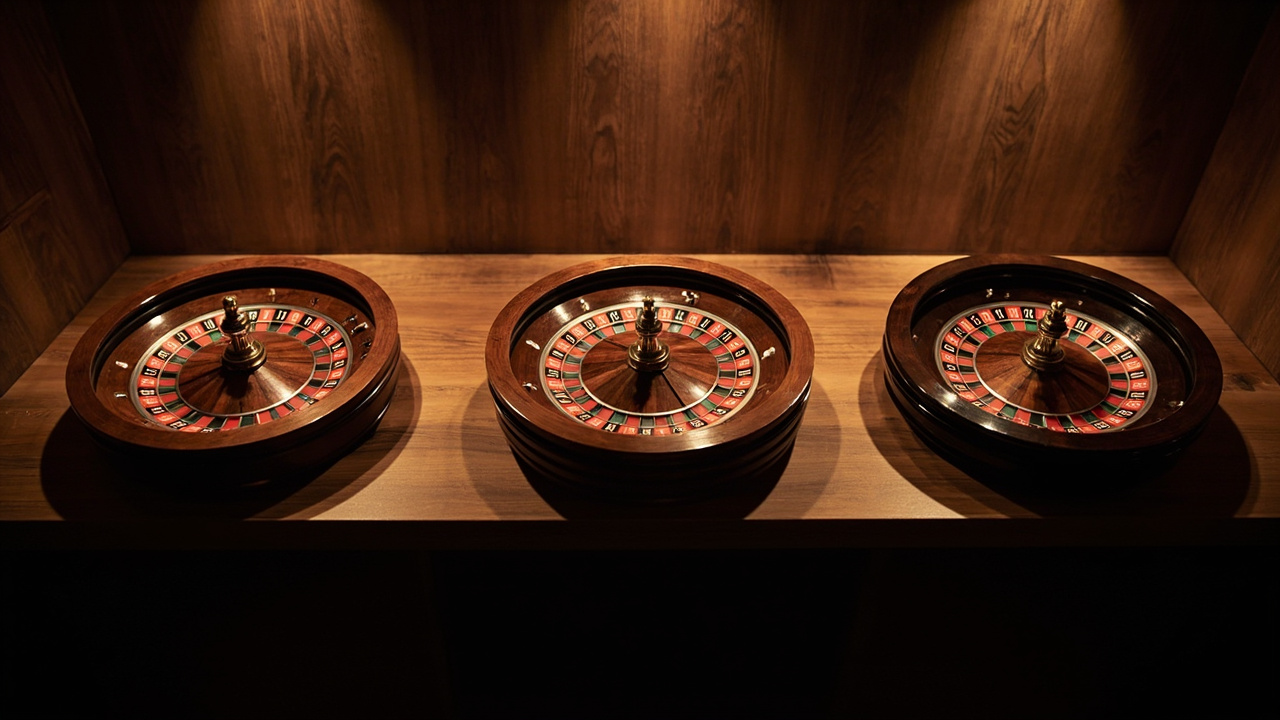
Editorial photograph of three different roulette wheel heads (European, American, French) displayed side by side as a comparative study on a long walnut shelf.
Variants

Three roulette wheels, three sets of maths

European, American and French roulette look similar on the table. They are not. The wheel count differs, the felt differs in places, and the rule book on the dealer side differs enough that a careful player should know which variant is on the table before placing the first chip. This chapter reads them side by side.

Variant 01

European roulette: the clean reference

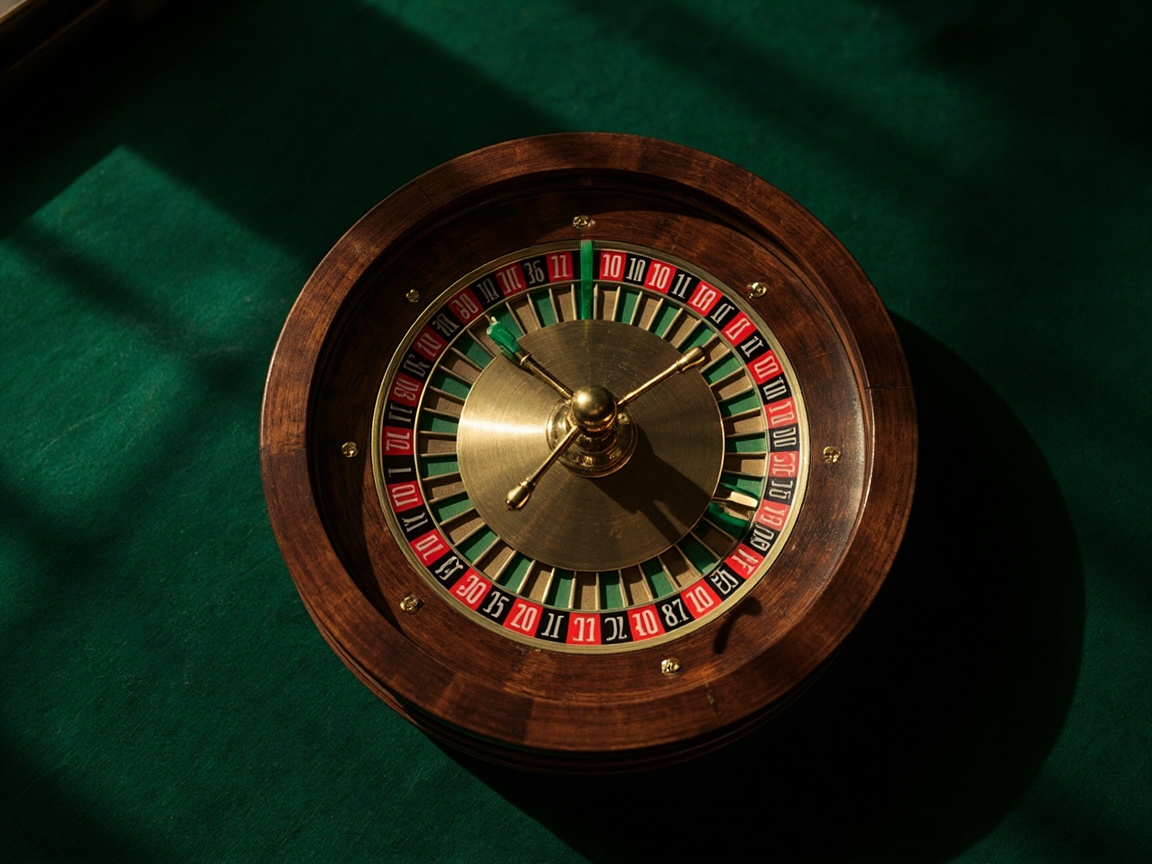
Overhead view of a single-zero European roulette wheel on green baize, ivory and ebony frets clearly readable.
1

37 pockets

Numbers 1 to 36 plus a single zero (green). No double zero.

2

House edge

2.70 percent on every bet except as altered by house rules.

3

Felt

Single zero column, single racetrack on French-felt variants.

The European wheel is the cleanest mathematical version of roulette because the single green pocket is the only edge that the house owns. The shape of the wheel, the felt grid and the payouts are otherwise identical to every other variant. When a publication describes "roulette" without naming a variant, the European wheel is the implicit reference.

The standard European wheel sequence, read clockwise from zero, is 0, 32, 15, 19, 4, 21, 2, 25, 17, 34, 6, 27, 13, 36, 11, 30, 8, 23, 10, 5, 24, 16, 33, 1, 20, 14, 31, 9, 22, 18, 29, 7, 28, 12, 35, 3, 26. The numbers are not placed at random. They balance the high and low numbers, the red and black colours and the odd and even numbers as evenly as the geometry allows. The pocket sequence matters for two reasons: it makes neighbour bets meaningful, and it determines the spread of the named French sections.

European roulette does not require a French-style racetrack, but most felts include one anyway because it is the easiest way to place call bets cleanly. The call bets themselves are discussed in chapter 04 of the homepage; here it is enough to note that the racetrack is a French invention now printed on most European felts as a courtesy.

When to choose European

An adult player who has the choice will normally prefer the European wheel because the 2.70 percent edge is the lowest of the three standard variants. The preference is mathematical; it does not require an opinion about casinos or marketing. A session on a European wheel lasts longer than the same bankroll on an American wheel because the edge is smaller.
Variant 02

American roulette: an extra zero is the only difference

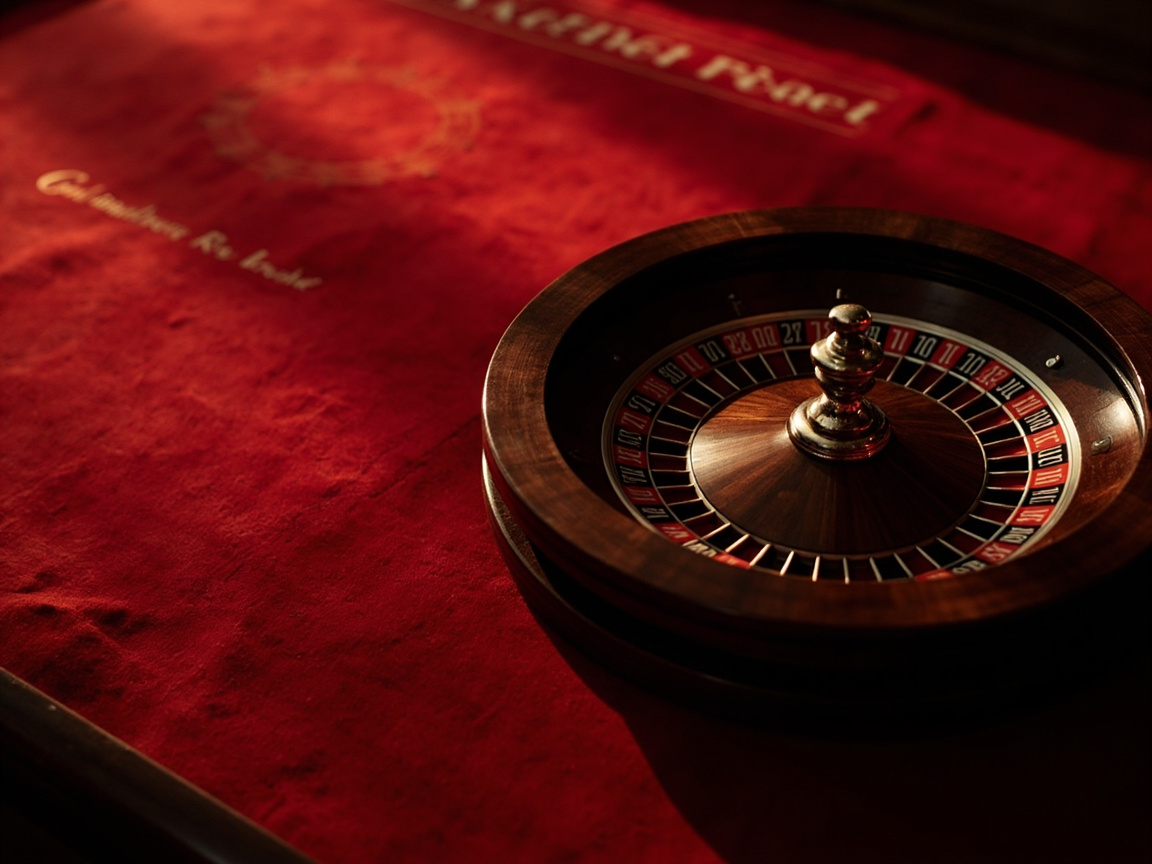
Overhead view of a double-zero American roulette wheel on green baize, the additional 00 pocket clearly visible opposite the green 0.
1

38 pockets

Numbers 1 to 36, plus zero (0) and double zero (00), both green.

2

House edge

5.26 percent on every inside and outside bet, because of the extra green.

3

Felt

Five-number basket (0, 00, 1, 2, 3) sits at the top of the layout.

The American wheel adds a single pocket to the European design, but the effect on the math is larger than a single pocket should be. The extra zero doubles the per-spin house edge on the bets that do not pay attention to it, and the bets that do pay attention — the five-number basket on 0, 00, 1, 2 and 3 — pay 6 to 1 with a house edge of 7.89 percent, the worst of any standard bet on the felt.

The American wheel sequence runs 0, 28, 9, 26, 30, 11, 7, 20, 32, 17, 5, 22, 34, 15, 3, 24, 36, 13, 1, 00, 27, 10, 25, 29, 12, 8, 19, 31, 18, 6, 21, 33, 16, 4, 23, 35, 14, 2. The sequence differs from the European sequence because the geometry of the bowl is different: the American rotor is wider to accommodate the extra pocket, and the layout of the frets changes accordingly.

When the American wheel is the only choice

In some regulated markets the American wheel is the standard offering, and the European wheel is not available. In that case the choice is not between the two wheels but between playing and not playing. An adult player who plays the American wheel should know that the edge is materially larger and that the session will be shorter for the same stake. The math is not an argument against the American wheel; it is an argument for entering the session with the right expectations.

The basket bet, plainly stated

The five-number basket bet on 0, 00, 1, 2, 3 pays 6 to 1 and carries the worst edge on the table at 7.89 percent. Most published strategy material advises against the basket for that reason; some argue the bet is acceptable as a small occasional stake because it is the only American roulette bet that pays less than its fair odds. The honest reading is that the basket is a high-edge bet; whether to take it is a matter of stake size and variance tolerance, not of strategy.

Variant 03

French roulette: the same wheel, two recovery rules

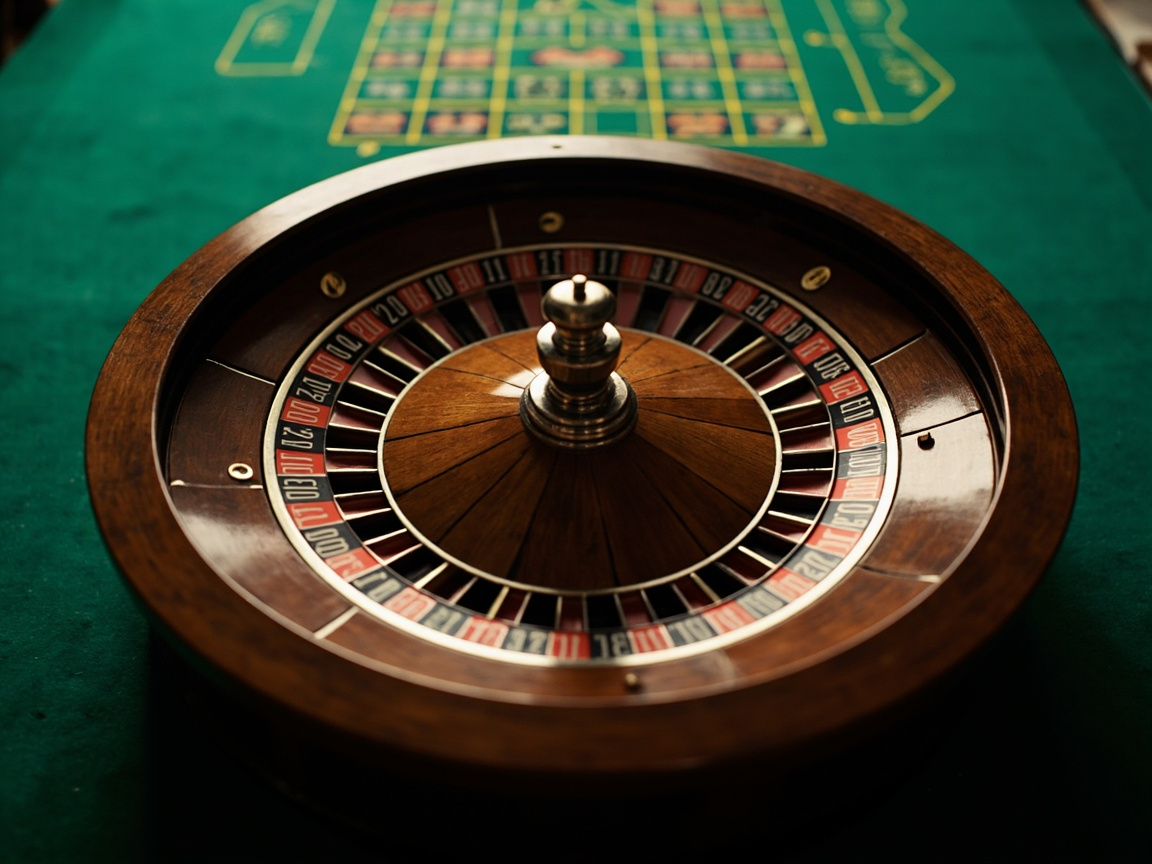
Three-quarter overhead photograph of a French roulette wheel on red baize felt, the wheel turned to show the red and black pocket sequence.
1

37 pockets

The European count. The single zero is green; all other numbers are red or black.

2

Even-money edge

1.35 percent on red, black, odd, even, high and low when la partage or en prison applies.

3

Red baize

French felts are traditionally red rather than the green used on European and American felts.

French roulette is a European wheel printed on a red baize with two named rules attached to even-money bets. The wheel itself is mechanically identical to the European wheel: 37 pockets, single zero, no double zero. The differences are in the rule book the dealer follows when the ball lands on zero.

La partage

La partage, French for "to share", halves the wager when the ball lands on zero and the player has placed an even-money bet. The croupier sweeps half the stake back to the player and removes the other half. The full stake is not recovered, but the loss is smaller than the alternative. On a single-zero wheel with la partage, the effective house edge on even-money bets falls from 2.70 percent to 1.35 percent. The edge on inside and dozens bets is unchanged.

En prison

En prison, French for "in prison", holds the wager on the felt when the player has placed an even-money bet and the ball has landed on zero. The croupier marks the wager with a small marker. On the next spin, if the bet wins, the stake is returned without winnings; if the bet loses, the stake is removed. The mathematics are equivalent to la partage over a long sample but the experience at the felt is different. Some felts use one rule, some the other; both can appear in the same casino from one table to the next.

Reading the felt before the bet

A French wheel without la partage or en prison is mechanically the same as a European wheel; the only visible difference is the colour of the baize. Players who care about the lower edge on even-money bets should read the rules page or ask the croupier before placing a chip. The rules page is the reliable place; the dealer's word is the friendly place; the felt's print is the cleanest place of all.

Side by side

Comparison ledger: the three variants at a glance

Property
European
American
French

Pockets

Property
37
Pockets
38
Pockets
37
Pockets

Zeros

Property
Single 0
Zeros
0 + 00
Zeros
Single 0
Zeros

Standard edge

Property
2.70%
Standard
5.26%
Standard
2.70%
Standard

Even-money edge

Property
2.70%
Even-money
5.26%
Even-money
1.35%
With la partage or en prison

Felt

Property
Green
Baize
Green
Baize
Red
Baize

Racetrack

Property
Often
Call bets area
Sometimes
Call bets area
Standard
Call bets area

Recommended for

Property
Default reading
Use
Markets without EU felts
Use
Even-money players
Use

Source: standard variant maths. Edge figures are the long-run expected house percentage; the variance on individual sessions is much larger.

The racetrack

The racetrack: a printed short-hand for call bets

Overhead photograph of a roulette table racetrack betting area printed on green baize, the oval call-bet zone clearly visible with the voisins, tiers and orphelins arcs legible.
1

Why it exists

The racetrack is a printed outline of the wheel's number sequence, used to place call bets without naming each cell.

2

What it does not do

The racetrack is a placement tool. It does not change the mathematics of the bets placed through it.

3

What to check

If the racetrack is absent or covered, call bets are still legal if the croupier accepts them by name.

The racetrack is a French innovation now printed on most European felts and on many American felts as well. The oval outline mirrors the number sequence of the wheel and lets a croupier place a named section — voisins, tiers or orphelins — by positioning chips at the corresponding cells on the racetrack and sweeping them onto the main layout in one motion. The bet settles in the same way as a hand-placed bet; the racetrack is a convenience, not a separate bet.

Call bets are discussed in detail in chapter 04 of the homepage; here it is enough to note that a player who prefers the named sections will look for a racetrack on the felt and will confirm with the dealer that the croupier accepts call bets before naming one. Some felts include a racetrack but the dealer team places bets only by direct instruction. A short conversation at the table is faster than a long argument after the fact.

Picking one

Choosing a variant without the marketing

The question an adult reader most often asks about variants is which one to choose when more than one is available. The honest answer is mathematical, not stylistic. Of the three variants discussed above, the European and French wheels have a lower house edge than the American wheel. Within the European and French pair, the French wheel offers a further reduction on even-money bets when la partage or en prison applies.

The decision tree is short. If a regulated market offers all three, choose French for even-money play and European for everything else. If a market offers only European and American, choose European for everything. If a market offers only American, set a clear stop-loss and stop-win before the session and treat the wheel as the smaller-odds entertainment expense it is.

None of these decisions change the per-spin mathematics: the house edge is a property of the wheel and the payouts, both of which are public. An adult player who treats the choice as a marketing choice is being sold to; an adult player who treats it as a math choice is reading the felt.

Read how a hand is played Strategy boundaries